 Lebanese Defense
- Joined
- Sep 2, 2024
- Messages
- 112,648
- Likes
- 313
- Nation

- Residence

“I'm not leaving my country,” Hassan told me. “I'm not leaving my house. I’m staying in my place, with my children. I’m not afraid of them (the Israelis).
"The whole world is out on the streets. We don’t want to be humiliated like that.
"Let me die in my house.”
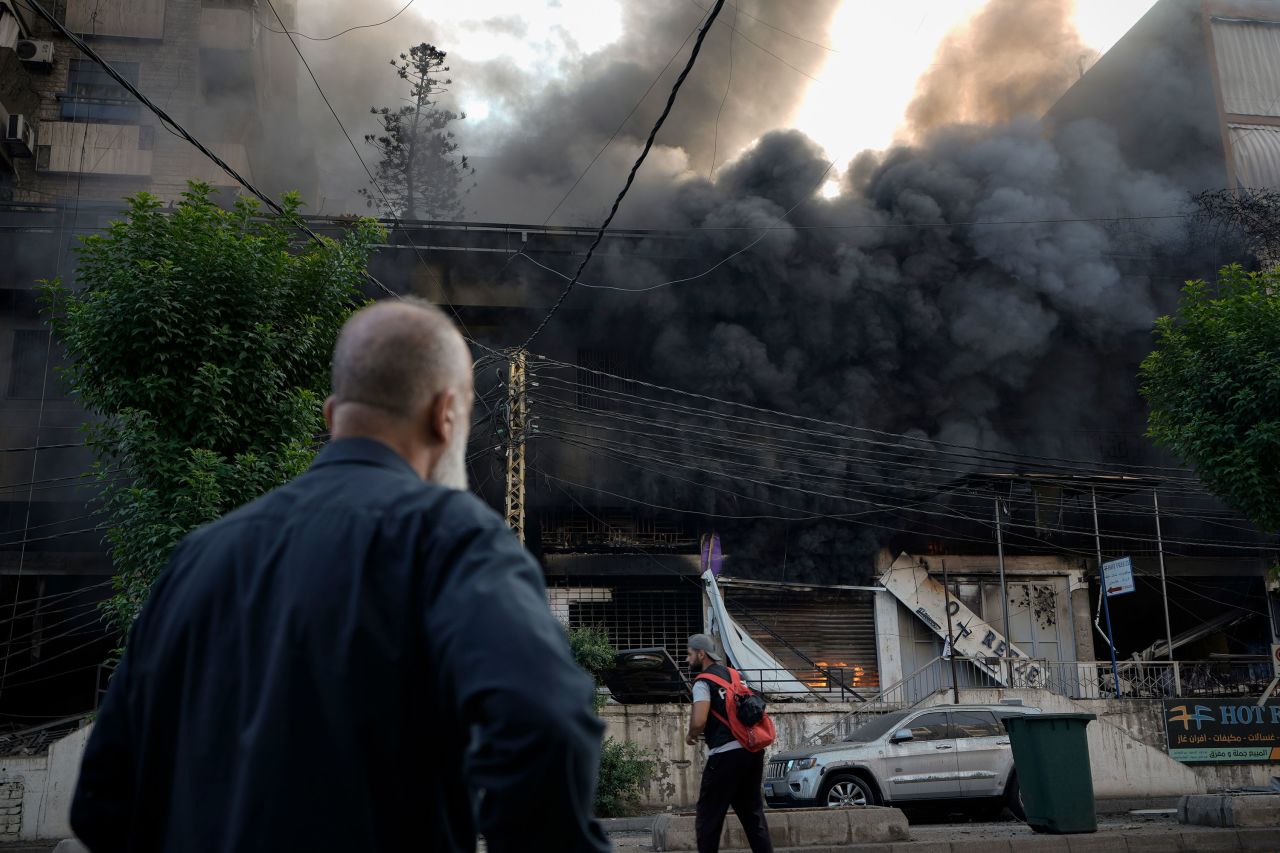
Five of his neighbours were killed in their home by an Israeli air strike last weekend. Hassan saw it happen and was thrown in the air by two incoming Israeli missiles.
He managed to walk away with just an injured arm.
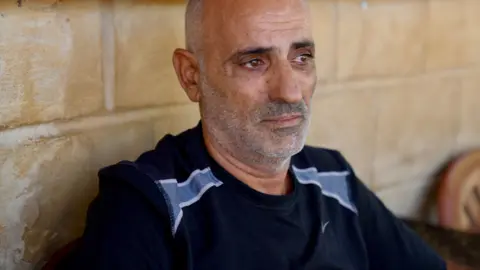
Goktay Koraltan
Five of Hassan Manna's neighbours were killed in their home by an Israeli air strike last weekend
Was there a Hezbollah target there? We don’t know. Hassan says the dead were all civilians and members of one family, including two women and a baby.
Israel says its targets are Hezbollah fighters and their facilities, and not the people of Lebanon. Many here say otherwise – including doctors, and witnesses like Hassan.
Israel says it is taking steps to minimise the risk of harming civilians – accusing Hezbollah of hiding its infrastructure among civilian populations.
“There was nothing (no weapons) there,” Hassan insisted. “If there was, we would have left the area. There was nothing to be bombed. The woman was 75.”
After the strike he dug in the rubble for survivors until he collapsed and was taken to hospital himself.
When he speaks of his neighbours his voice breaks with anger and grief - and his eyes fill with tears.
“It’s unjust,” he said, “totally unjust. We know the people. They were born here. I swear I wish I had died with them.”
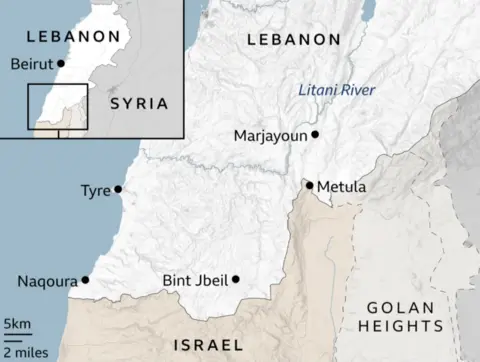
Ten days ago, we got the view in a Christian area, close to the border.
One local woman – who asked not to be named - told me everyone was living on their nerves.
“The phone is constantly beeping,” she said. “We can never know when (Israeli) attacks are coming. It’s always tense. Many nights we can’t sleep.”
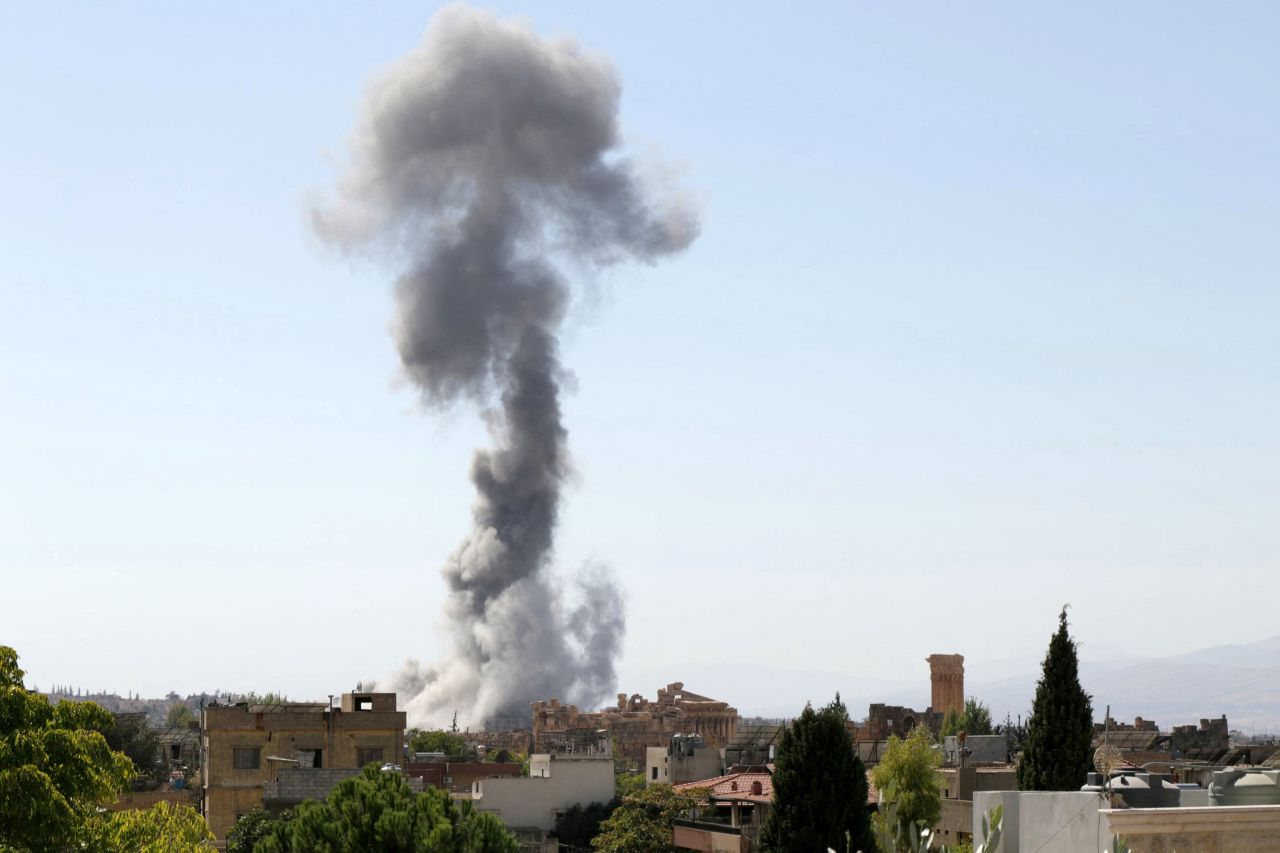
We were interrupted by the sound of an Israeli air strike, which sent smoke rising from distant hills.
She reeled off a list of villages nearer the border - now deserted and destroyed after the past year of tit for tat exchanges between Hezbollah and Israel.
She said the damage in these areas was already far greater than in the five-week war of 2006. “If people want to come back later", she said, “there are no houses left to come back to.
"And there is no house that did not lose relatives,” she said, “either close or distant. All the men are Hezbollah.”
Before the war the armed group was always “bragging about its weapons, and saying it would fight Israel forever,” she told me. “Privately, even their followers are now shocked at the quality and quantity of attacks by Israel.”
Few here would dare to guess at the future. “We have entered a tunnel,” she said, “and until now we cannot see the light."
From Tel Aviv, to Tehran, to Washington no one can be sure what is coming next, and what the Middle East will look like the day after.
Additional reporting by Mohamed Madi
"The whole world is out on the streets. We don’t want to be humiliated like that.
"Let me die in my house.”
Five of his neighbours were killed in their home by an Israeli air strike last weekend. Hassan saw it happen and was thrown in the air by two incoming Israeli missiles.
He managed to walk away with just an injured arm.
Goktay Koraltan
Five of Hassan Manna's neighbours were killed in their home by an Israeli air strike last weekend
Was there a Hezbollah target there? We don’t know. Hassan says the dead were all civilians and members of one family, including two women and a baby.
Israel says its targets are Hezbollah fighters and their facilities, and not the people of Lebanon. Many here say otherwise – including doctors, and witnesses like Hassan.
Israel says it is taking steps to minimise the risk of harming civilians – accusing Hezbollah of hiding its infrastructure among civilian populations.
“There was nothing (no weapons) there,” Hassan insisted. “If there was, we would have left the area. There was nothing to be bombed. The woman was 75.”
After the strike he dug in the rubble for survivors until he collapsed and was taken to hospital himself.
When he speaks of his neighbours his voice breaks with anger and grief - and his eyes fill with tears.
“It’s unjust,” he said, “totally unjust. We know the people. They were born here. I swear I wish I had died with them.”
Ten days ago, we got the view in a Christian area, close to the border.
One local woman – who asked not to be named - told me everyone was living on their nerves.
“The phone is constantly beeping,” she said. “We can never know when (Israeli) attacks are coming. It’s always tense. Many nights we can’t sleep.”
We were interrupted by the sound of an Israeli air strike, which sent smoke rising from distant hills.
She reeled off a list of villages nearer the border - now deserted and destroyed after the past year of tit for tat exchanges between Hezbollah and Israel.
She said the damage in these areas was already far greater than in the five-week war of 2006. “If people want to come back later", she said, “there are no houses left to come back to.
"And there is no house that did not lose relatives,” she said, “either close or distant. All the men are Hezbollah.”
Before the war the armed group was always “bragging about its weapons, and saying it would fight Israel forever,” she told me. “Privately, even their followers are now shocked at the quality and quantity of attacks by Israel.”
Few here would dare to guess at the future. “We have entered a tunnel,” she said, “and until now we cannot see the light."
From Tel Aviv, to Tehran, to Washington no one can be sure what is coming next, and what the Middle East will look like the day after.
Additional reporting by Mohamed Madi